

Identity Theft USA: Must-Have Tips for Ultimate Safety

- Identity Theft USA: Must-Have Tips for Ultimate Safety
- Understanding Identity Theft in the USA
- Strengthening Your Digital Safety
- 1. Use Strong Passwords
- 2. Enable Two-Factor Authentication
- Monitoring Your Accounts
- 3. Regularly Review Bank Statements
- 4. Check Your Credit Reports
- Secure Your Personal Information
- 5. Shred Sensitive Documents
- 6. Be Wary of Public Wi-Fi
- Educating Yourself and Others
- 7. Stay Informed About Scams
- 8. Share Your Knowledge
- What to Do If You Become a Victim
- Final Thoughts
Identity Theft USA: Must-Have Tips for Ultimate Safety
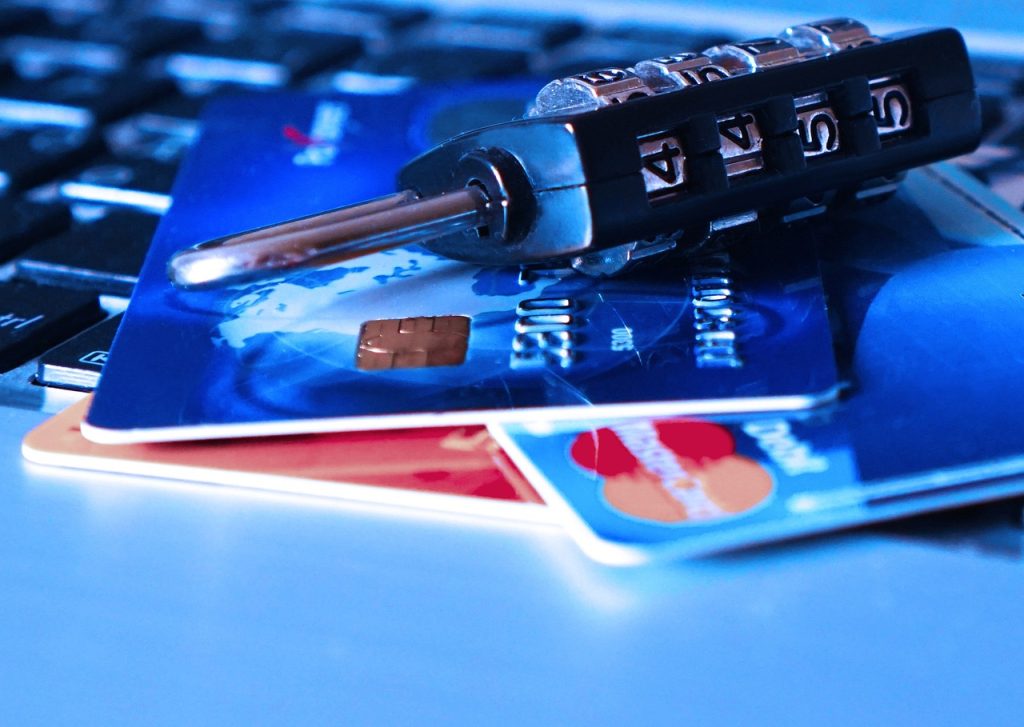
Identity theft USA has become an alarming trend in recent years, impacting millions of individuals each year. As technology advances, so do the tactics used by cybercriminals, making it crucial for everyone to remain vigilant about their personal information. With a proactive approach, you can significantly reduce your risk of becoming a victim. Below are some essential tips to help you safeguard your identity effectively.
Understanding Identity Theft in the USA
Identity theft refers to the unauthorized use of someone else’s personal information, usually for financial gain. The scope of identity theft in the USA is vast, encompassing various methods such as phishing emails, data breaches, and even traditional methods like stealing physical documents. According to the Federal Trade Commission (FTC), millions of Americans fall prey to identity theft every year, leading to significant financial and emotional distress.
Strengthening Your Digital Safety
The first line of defense against identity theft is your digital safety. In our increasingly connected world, understanding how to protect your online presence is paramount. Here are some basic yet effective strategies:
1. Use Strong Passwords
Creating strong passwords is essential for securing your accounts. A good password is at least 12 characters long and includes a mix of uppercase and lowercase letters, numbers, and special symbols. Avoid using easily guessable information, such as birthdays or names. Consider utilizing a password manager to help generate and store complex passwords.
2. Enable Two-Factor Authentication
Two-factor authentication (2FA) adds an extra layer of security to your online accounts. Even if a thief manages to obtain your password, they will still need a second form of verification, typically a code sent to your mobile device or email. Enabling this feature significantly reduces the likelihood of unauthorized access.
Monitoring Your Accounts
Keeping a close eye on your financial accounts is another vital aspect of maintaining safety against identity theft in the USA.
3. Regularly Review Bank Statements
Every month, take the time to go through your bank and credit card statements thoroughly. This practice allows you to spot any unauthorized transactions early, giving you the opportunity to report them swiftly to your bank.
4. Check Your Credit Reports
The Fair Credit Reporting Act (FCRA) allows you to request a free credit report annually from each of the three major credit reporting agencies: Experian, TransUnion, and Equifax. Regularly reviewing your credit reports can help you catch any signs of identity theft, like accounts opened in your name without your knowledge.
Secure Your Personal Information
Protecting your personal information is crucial in the fight against identity theft. Here are some practical steps to take:
5. Shred Sensitive Documents
Instead of tossing away documents that contain personal information, such as your Social Security number or bank statements, invest in a shredder. This simple act can prevent opportunistic thieves from rummaging through your trash to find personally identifiable information.
6. Be Wary of Public Wi-Fi
Using public Wi-Fi can expose your personal data to cybercriminals. If you must use a public network, avoid accessing sensitive information such as online banking or shopping accounts. Consider utilizing a virtual private network (VPN) to secure your internet connection while on public Wi-Fi.
Educating Yourself and Others
Knowledge is power when it comes to preventing identity theft. Make it a point to educate yourself and those around you about the latest scams and protective measures.
7. Stay Informed About Scams
Criminals are constantly adapting their tactics. Regularly read up on the latest identity theft scams and how to recognize them. Websites like the FTC and identity theft resource centers offer valuable information to keep you updated.
8. Share Your Knowledge
Help family members and friends understand the importance of digital safety. Encourage them to practice good habits, such as using strong passwords and being cautious of unsolicited emails or phone calls.
What to Do If You Become a Victim
Despite your best efforts, identity theft can still happen. If you suspect you’ve become a victim, act quickly:
1. Report It: Notify your bank, credit card companies, and local authorities.
2. Place a Fraud Alert: Contact one of the credit bureaus to place a fraud alert on your credit report, making it harder for thieves to open accounts in your name.
3. File a Complaint: File a report with the FTC at IdentityTheft.gov, where you can create a recovery plan tailored to your situation.
Final Thoughts
As identity theft in the USA continues to pose a serious threat, staying informed and taking preventive action is essential. By adopting strong digital safety practices, monitoring your accounts diligently, and educating yourself and those around you, you can significantly reduce your vulnerability to identity theft. Remember, the first step in safeguarding your identity is staying proactive and aware.