

Credit Responsibility: Must-Have Tips for New Immigrants

- Credit Responsibility: Must-Have Tips for New Immigrants
- Understanding Credit Scores
- Building Credit from Scratch
- Practicing Responsible Credit Usage
- Monitoring Your Credit Report
- Educating Yourself About Financial Management
- Conclusion
Credit Responsibility: Must-Have Tips for New Immigrants
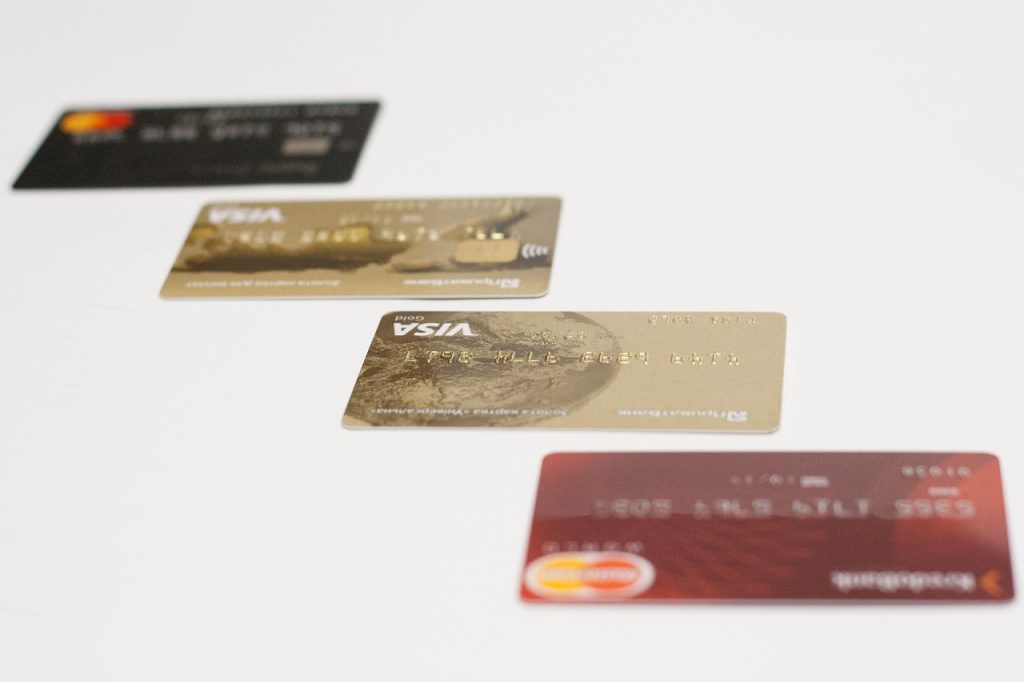
Credit responsibility is an essential aspect of financial well-being, especially for new immigrants who are establishing themselves in a new country. Understanding how credit works and learning to manage it effectively can significantly impact your financial future. This article will guide newcomers through the critical steps to cultivate good credit habits, ensuring a stable and secure financial foundation.
Understanding Credit Scores
For new immigrants, the first step towards credit responsibility is gaining a solid understanding of credit scores. A credit score is a numerical representation of your creditworthiness, usually ranging from 300 to 850. Lenders, landlords, and even employers may check this score to assess how likely you are to repay borrowed money or fulfill other financial obligations.
In the U.S., credit scores are calculated based on various factors, including your payment history, credit utilization, length of credit history, types of credit in use, and new credit inquiries. It is crucial for newcomers to familiarize themselves with these components to understand how their financial behaviors impact their scores.
Building Credit from Scratch
For many new immigrants, the challenge is often starting with little or no credit history. Here are some practical ways to begin building credit:
1. Secure a Credit Card: One of the easiest ways to establish credit is by obtaining a secured credit card. These cards require a cash deposit that serves as your credit limit. Using the card responsibly—by keeping the balance low and paying it off on time—can help build your credit history.
2. Consider a Credit Builder Loan: Some banks and credit unions offer credit builder loans that allow you to borrow a small amount of money, which is then placed in a savings account. As you make monthly payments to the loan, you build credit history while saving money.
3. Become an Authorized User: If you have a family member or friend with good credit, consider asking them to add you as an authorized user on their credit card. This way, you can benefit from their positive credit history while learning the ropes of credit management.
Practicing Responsible Credit Usage
Practicing credit responsibility means using credit wisely. Here are critical tips for new immigrants to adhere to:
– Pay Bills on Time: Your payment history significantly affects your credit score. Always try to pay your credit card balances and other bills on or before the due date. Setting up automatic payments or reminders can help you stay on track.
– Keep Credit Utilization Low: It’s advisable to keep your credit utilization ratio (the amount of credit you’re using versus your total credit limit) below 30%. High utilization can negatively impact your score. For instance, if you have a $1,000 credit limit, try to keep your balance under $300.
– Avoid Unnecessary Inquiries: Every time you apply for credit, a hard inquiry appears on your credit report. Too many inquiries can lower your credit score. Instead, research your options and apply only for the credit you genuinely need.
Monitoring Your Credit Report
For new immigrants, monitoring your credit report is an important step in ensuring credit responsibility. In the U.S., you are entitled to one free credit report each year from each of the three major credit bureaus—Equifax, Experian, and TransUnion. Regularly checking your reports can help you identify any discrepancies or fraudulent accounts that may damage your credit score.
To address any inaccuracies, make sure you promptly dispute erroneous information. Keeping tabs on your credit report can also highlight your progress as you build your credit history.
Educating Yourself About Financial Management
Credit responsibility is not just about building and maintaining a positive credit score; it’s also about understanding broader financial management. New immigrants should consider various educational resources available in their communities and online:
– Attend Workshops: Many nonprofit organizations offer free workshops on personal finance, budgeting, and credit management tailored to newcomers.
– Consult Financial Advisors: Seeking advice from financial advisors can provide personalized insights that align with your specific financial situation. Look for advisors experienced with immigrant finances.
– Use Online Resources: Websites, podcasts, and online courses dedicated to personal finance can be excellent resources for learning more about credit responsibility, effective budgeting, and long-term financial planning.
Conclusion
Credit responsibility is a vital skill for new immigrants looking to thrive in their new environment. By understanding credit scores, building credit from scratch, practicing responsible credit usage, monitoring reports, and educating themselves about financial management, newcomers can pave the way toward financial stability and growth. Taking these steps not only helps in navigating the complexities of the credit system but also in establishing a positive credit history that will benefit you for years to come.